
What Is Invisalign?
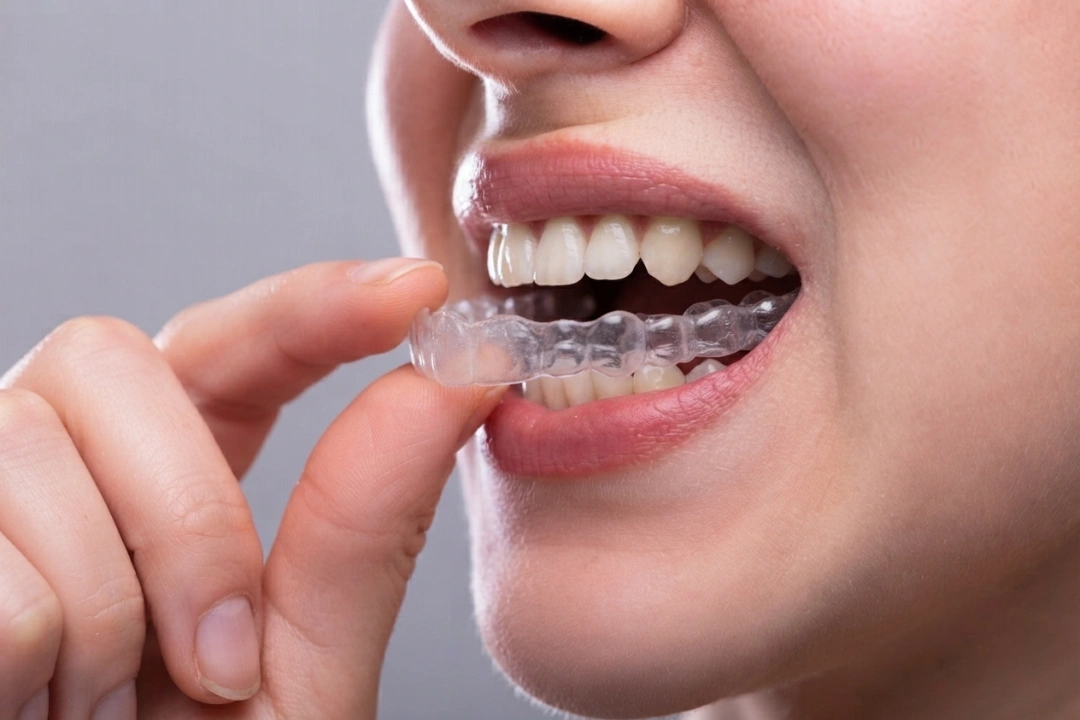
Invisalign is a clear aligner system that gradually moves teeth into position using a series of custom-fabricated, removable plastic trays. Each aligner is worn for approximately two weeks before progressing to the next in the sequence. Treatment is virtually invisible.
The Process
How Invisalign Works?
Your dentist takes digital scans of your teeth and sends the data to the Invisalign lab. A custom series of aligners is fabricated, typically 20–40 sets for a full case, fewer for minor corrections.
Comparison
Invisalign vs Traditional Braces
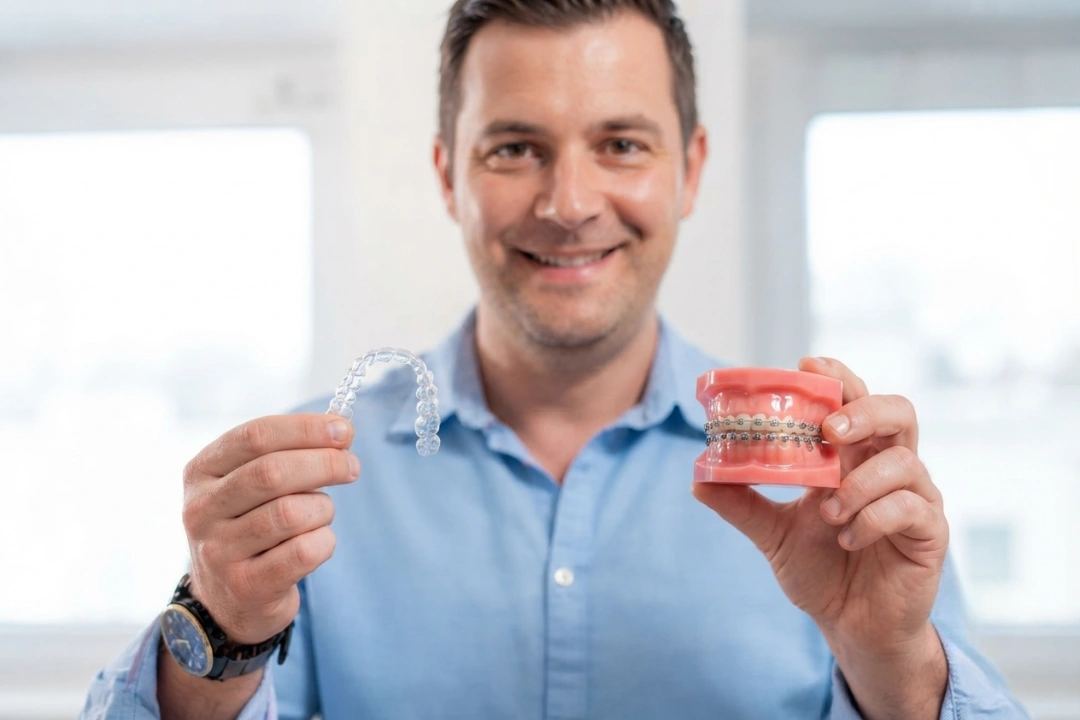
Metal braces are fixed, they apply continuous force around the clock and are effective for complex orthodontic problems. Invisalign requires discipline: the aligners only work when they’re being worn. For mild to moderate crowding and spacing issues in patients who will consistently wear the trays, outcomes are comparable. Invisalign is removable for meals and easier to clean around. For severe bite problems or complex tooth movements, your dentist may recommend traditional orthodontics or a specialist referral and will tell you honestly if Invisalign isn’t the right tool for your case.
eligibility
Am I a Candidate?
Invisalign is suitable for adults and older teenagers with mild to moderate crowding, spacing, or bite concerns. It is not appropriate for severe skeletal discrepancies or complex orthodontic problems that require fixed appliances.
An assessment will confirm suitability. Importantly, gum and bone health must be stable before orthodontic treatment begins, active gum disease is addressed first.
frequently asked questions
Does Invisalign hurt?
Each new aligner produces some pressure that’s the force moving the teeth. It is typically described as tightness or mild discomfort for the first day or two after changing to a new tray. Most patients adapt quickly and find the discomfort minimal compared to metal braces.
What happens if I lose or damage an aligner?
Contact the clinic. In most cases, you move back to the previous aligner or forward to the next one depending on where you are in the sequence. Replacement aligners can be ordered. This is why it’s important not to wrap aligners in napkins at restaurants, they get thrown away.
Can Invisalign fix my bite as well as straightening my teeth?
Mild bite correction is achievable with Invisalign. Moderate to severe bite problems may require traditional orthodontics or combined orthodontic and restorative treatment. Your dentist will assess at the consultation.
Is Invisalign suitable for teenagers?
Yes, Invisalign has a teen version with compliance indicators and provisions for developing teeth. Suitability depends on the degree of correction needed and the patient’s commitment to wearing the aligners consistently.
How much does Invisalign cost?
Cost depends on the complexity of your case and the number of aligners in the series. Your dentist will provide a full treatment quote after the assessment, including the cost of any attachments (small tooth-coloured bumps that help the aligners grip and move teeth more precisely).
Is Invisalign available at all three Prakhya Dental clinics?
Invisalign consultations and treatment are available at our Port Macquarie clinic (Mark Brisley Dental). Please call 02 6583 2511 to book an assessment.
What retainers are needed after Invisalign?
Retainers are non-negotiable after any orthodontic treatment. Without retention, teeth move back. Your dentist will fit retainers at the completion of your Invisalign case and advise on the wear schedule, typically nightly, long-term.