

Dental Abscess Treatment in Kempsey, Port Macquarie & Taree
A dental abscess will not resolve on its own. Same-day appointments available call now.
If you have facial swelling, difficulty swallowing or breathing alongside dental pain, go to the emergency department immediately.

What Is a Dental Abscess?
A dental abscess is a collection of pus caused by bacterial infection. It can form at the tip of the tooth root (periapical abscess) or in the gum and bone beside a tooth (periodontal abscess). Both require professional treatment, antibiotics alone do not clear the infection source.
Signs and Symptoms
Throbbing Pain
Swelling
Sensitivity
Pain When Biting
Swollen Lymph Nodes
Gum Abscess
A pimple-like spot on the gum (a sinus tract) that may weep or taste foul.
Emergency Care
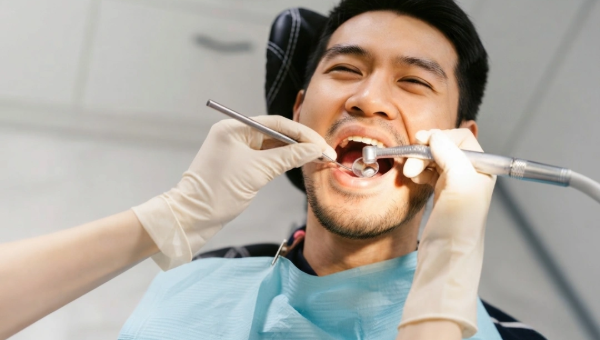
Treatment
Treatment depends on the source and severity. For a periapical abscess (originating inside the tooth), root canal therapy or extraction is required to remove the infected pulp antibiotics address the spreading infection but cannot treat the source.
For a periodontal abscess, drainage, root surface cleaning and sometimes antibiotics are used. Your dentist will assess clinically and via X-ray to determine the appropriate treatment. You will leave with a management plan.
frequently asked questions
Can I treat a dental abscess at home?
No. You can manage symptoms temporarily with ibuprofen and paracetamol for pain and cold compresses for swelling, but the infection requires professional treatment to eliminate the source. Antibiotics prescribed by a GP will slow the spread but will not cure an abscess without dental treatment.
Is a dental abscess dangerous?
Untreated dental abscesses can spread to surrounding bone and soft tissue. In rare but serious cases, spread to the neck or floor of the mouth can become life-threatening. Any facial swelling alongside dental pain warrants urgent assessment. If breathing or swallowing becomes difficult, go to the emergency department immediately, do not wait for a dental appointment.
Will I need a tooth removed for an abscess?
Not necessarily. If the tooth can be treated with root canal therapy and the infection is resolved, the tooth can be saved. Extraction is recommended when the tooth is not restorable or when root canal treatment is not appropriate for the patient’s situation. Your dentist will explain the options.
How quickly will antibiotics help?
Antibiotics begin to work within 24–48 hours to reduce spread and swelling. They do not cure the abscess, the underlying source must be treated dentally. Significant improvement in pain within 48 hours suggests the antibiotics are effective. If swelling worsens or you develop difficulty swallowing or breathing, seek emergency care immediately.
Can a dental abscess come back?
If the source is treated properly through root canal or extraction, the abscess should not recur at that site. A new abscess can develop at a different site from a new infection. Regular dental check-ups catch developing infections before they progress to abscess stage.