


What Are Dentures?
Dentures are removable prosthetic appliances that replace missing teeth. Full dentures replace all teeth in an arch.
Partial dentures replace several teeth while existing natural teeth remain. Both types are custom-fabricated to fit your mouth precisely.
difference
Full Dentures and Partial Dentures. What’s the Difference?
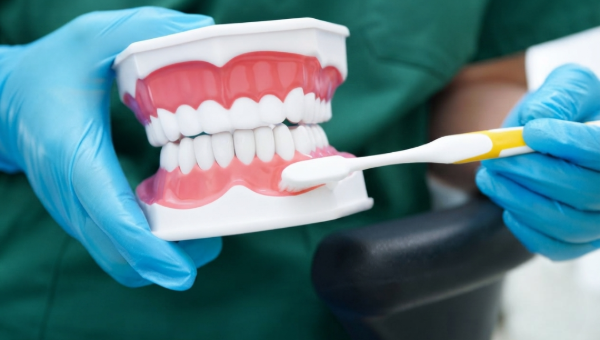
Full dentures
Complete Dentures are for patients who have lost all teeth in the upper or lower arch. They rest on the gum ridge and are held in place by suction and the natural muscles of the mouth.
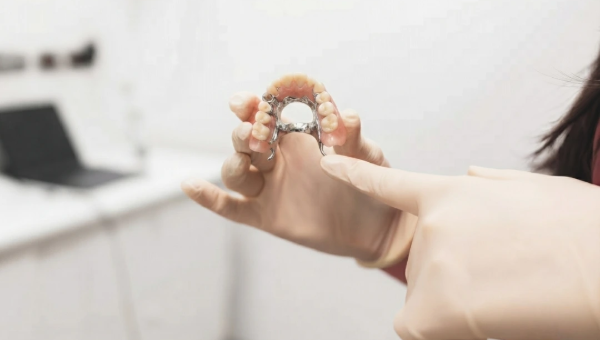
Partial dentures
Partial dentures are for patients with several missing teeth, they clip to remaining natural teeth using metal clasps or precision attachments.
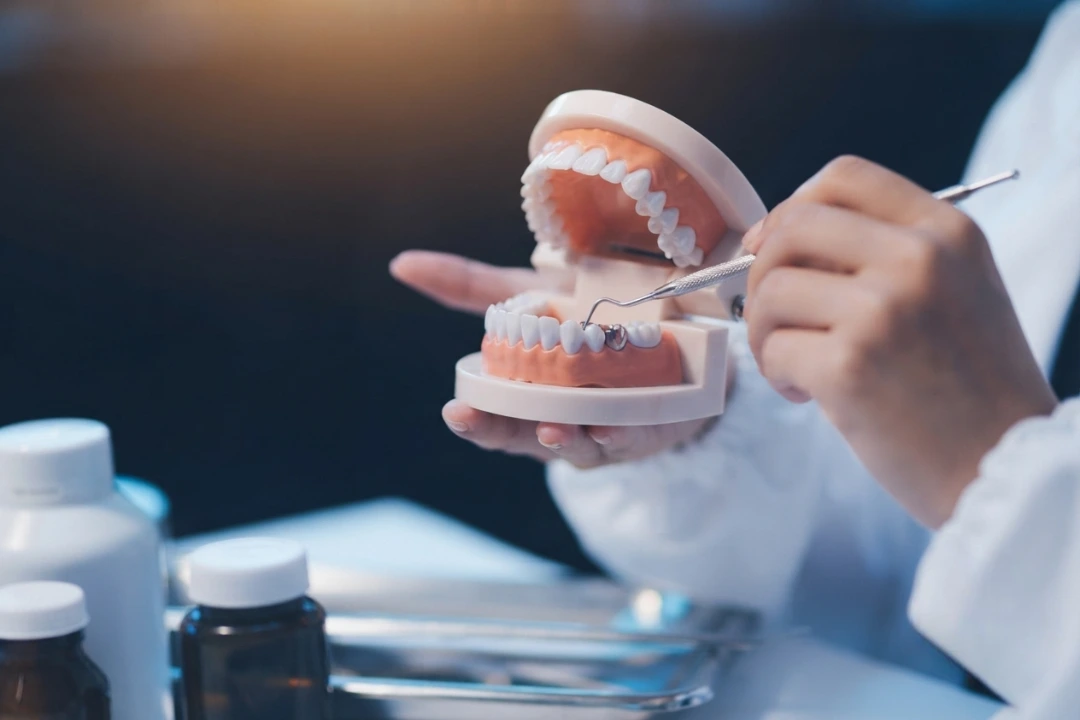
the process
How Are Dentures Made?
Denture fabrication typically involves 4–6 appointments over several weeks. Impressions are taken, bite registration is recorded, a wax trial denture is assessed for fit and aesthetics, and the final denture is fabricated in a dental laboratory.
Adjustments at fitting are normal and expected.
Denture Care
Caring for Your Dentures
- Remove and rinse after eating.
- Brush dentures gently with a soft brush and non-abrasive cleaner not toothpaste.
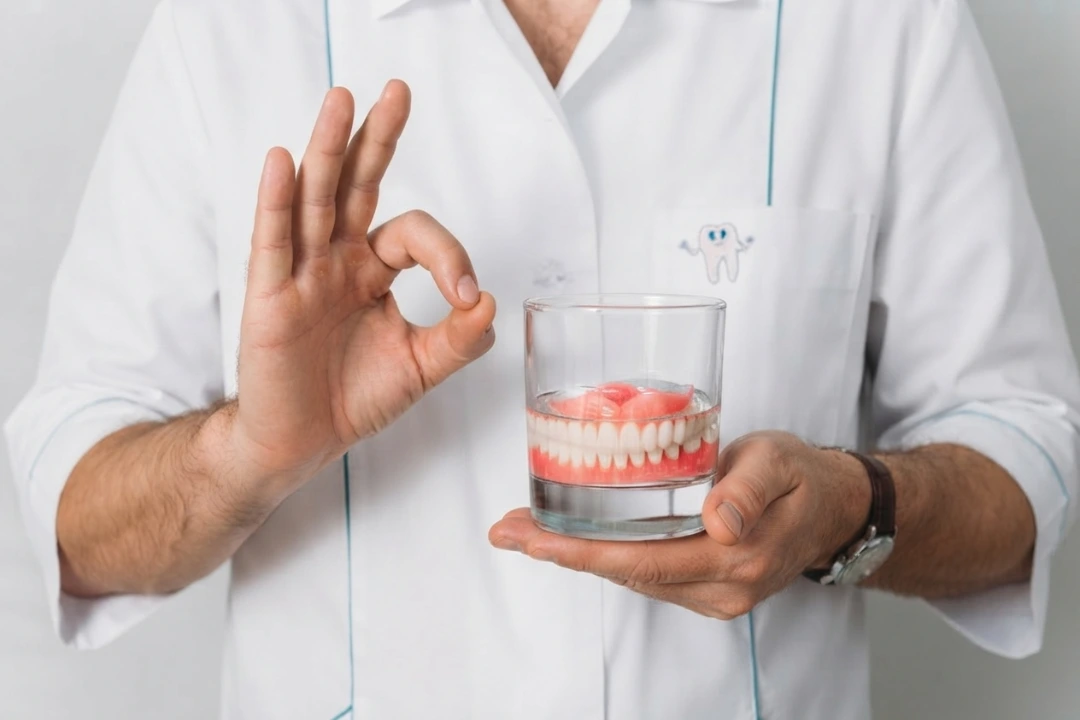
- Store in water when not in use to prevent drying.
- Never sleep in new dentures without instruction from your dentist.
- Annual check-ups to assess fit as bone changes occur over time.
frequently asked questions
How long do dentures last?
Well-maintained dentures typically last 5–10 years before relining or replacement is needed. As the underlying bone and gum tissue change over time, the fit of a denture changes too, regular reviews are important.
Do dentures affect speech?
New dentures almost always cause some adjustment in speech, particularly with sounds that involve the tongue meeting the palate. Most patients adapt within 2–4 weeks. Reading aloud at home speeds up the adjustment.