
Broken, Chipped or Cracked Tooth Emergency Care in Kempsey, Port Macquarie & Taree
Same-day appointments available. The sooner a broken tooth is assessed, the more treatment options remain open.
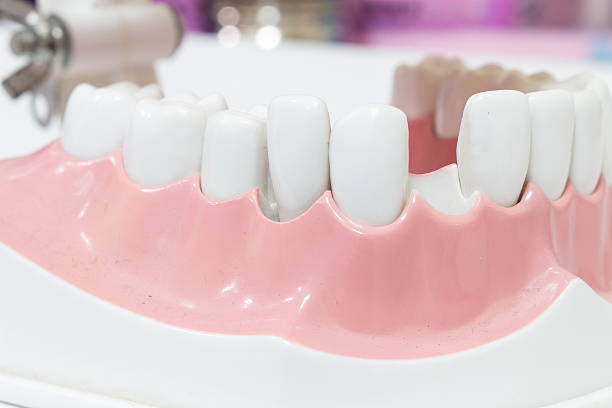
What Is a Tooth Fracture?
Tooth fractures range from minor chips affecting only the enamel to severe cracks extending into the root. The treatment depends entirely on the location and depth of the fracture. A cracked tooth that looks minor externally can involve the pulp internally, diagnosis requires clinical examination and X-ray.
Fracture Types
Types of Tooth Fracture

Craze Lines
Superficial cracks in the enamel very common and rarely require treatment beyond monitoring.
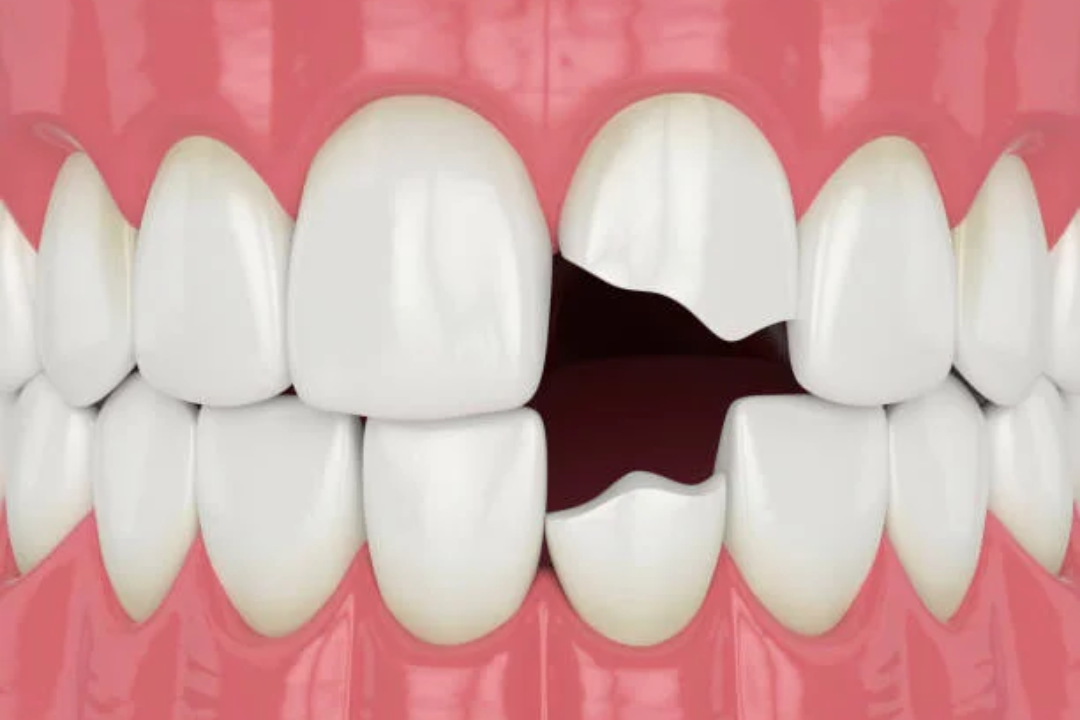
Chipped Tooth
A fragment breaks from the enamel or dentine, with treatment depending on the size and location of the chip.
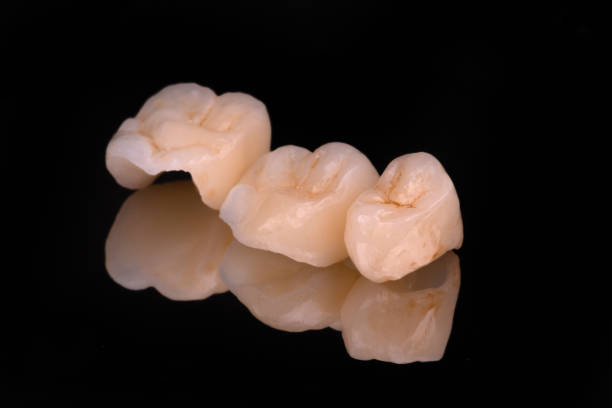
Fractured Cusp
Part of the biting surface breaks away, commonly affecting back teeth with large old fillings.
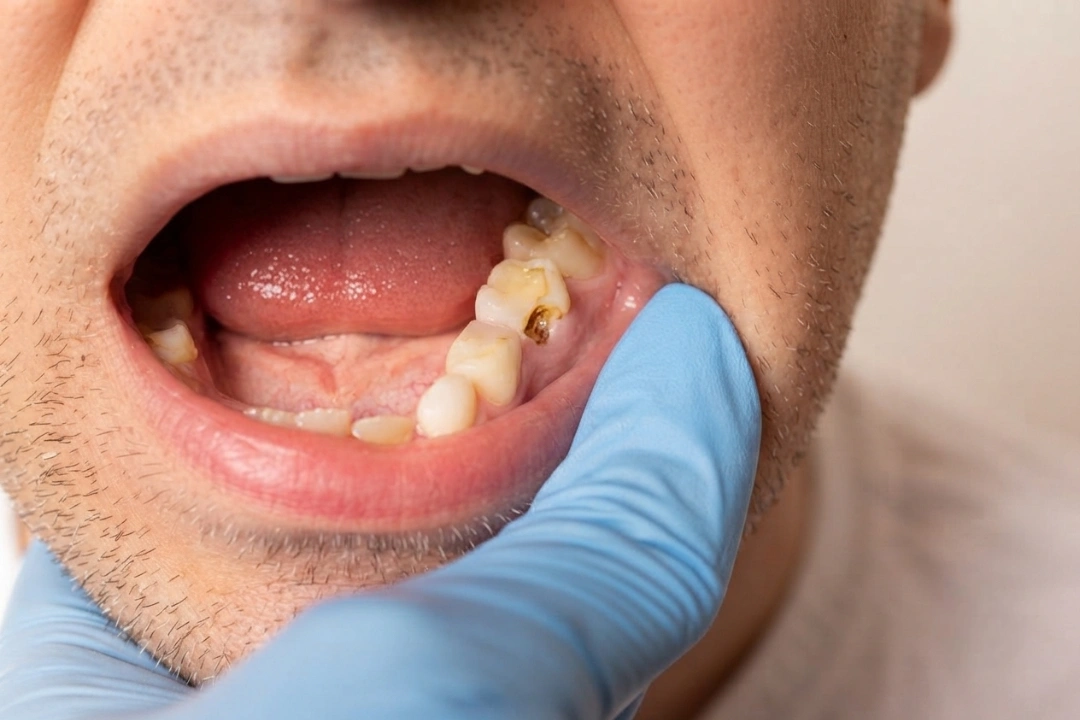
Cracked Tooth
A fracture extends from the chewing surface downward. Early treatment can often save the tooth before the crack spreads.
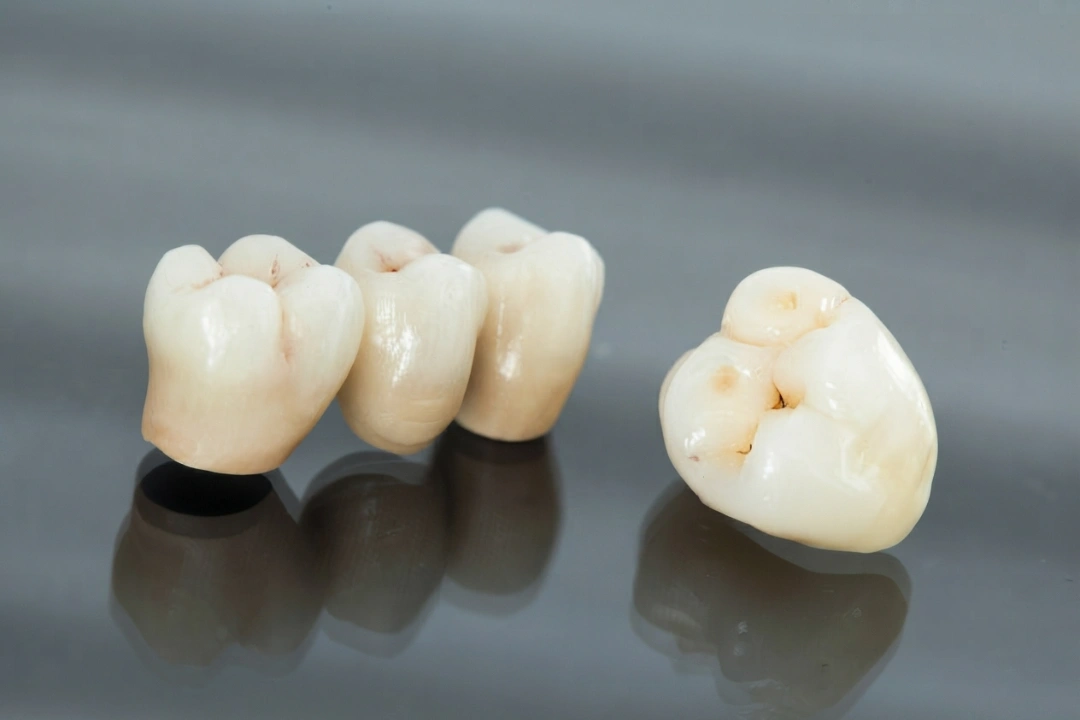
Split Tooth
An advanced crack that divides the tooth into separate segments.
Patients from Macksville, Hallidays Point and the Macleay Valley frequently attend our clinics with fractured back molars, a common consequence of older amalgam fillings expanding over time.

What to Do Right Away?
Rinse your mouth with warm water. If there is bleeding, apply gentle pressure with clean gauze. If the fracture has created a sharp edge catching your cheek or tongue, dental wax (from a chemist) can provide temporary protection.
Save any broken fragments if possible, small chips can sometimes be bonded back. Call us to arrange an assessment. Even if there is no pain, a fractured tooth needs evaluation, pain is not a reliable indicator of severity.
frequently asked questions
My tooth doesn’t hurt does it still need treatment?
Yes. Many fractures, particularly cracks and vertical fractures, are painless in their early stages. A cracked tooth left untreated often progresses until it reaches the pulp and causes an abscess, or splits beyond the point of repair. Early assessment keeps options open.
Can a chipped tooth be fixed?
In most cases, yes, and often on the same day. Small chips on front teeth are commonly repaired with composite bonding in a single appointment. Larger fractures may need a crown. Your dentist will assess and give you a clear picture of options at the appointment.
What if the broken piece is missing?
In most cases, a missing fragment doesn’t change the treatment significantly, the tooth is assessed for underlying damage and repaired using materials rather than the original piece. If you have the fragment, bring it in , occasionally it can be reattached.
What causes back teeth to fracture?
Old large fillings, particularly amalgam, are a common culprit. Amalgam expands and contracts with temperature over decades, creating internal stress. Grinding (bruxism) also significantly increases fracture risk. A night guard can protect existing teeth and restorations.
What is the treatment for a cracked tooth?
It depends on the depth. A crack confined to the crown is often treated with a crown (which holds the tooth together and prevents the crack from progressing). If the crack has reached the pulp, root canal treatment is needed first. If it has extended to the root, extraction may be the only option.