
What Is Composite Bonding?
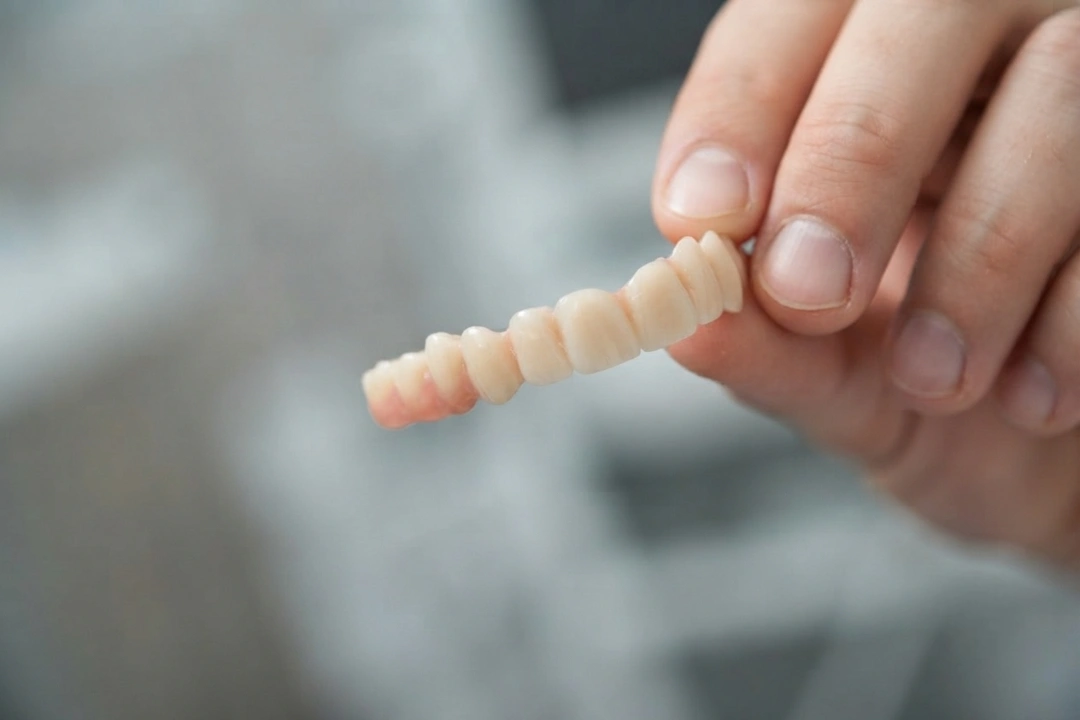
Composite bonding uses tooth-coloured resin to reshape, repair, or enhance teeth. It’s applied directly to the tooth surface, sculpted, and cured with a light, no laboratory wait, no permanent enamel removal in most cases.
APPROACH
What Can Composite Bonding Fix?
The range is wider than most patients expect. Chipped or fractured front teeth, often the most obvious and distressing to live with, are the most common reason patients come in. But bonding also addresses gaps between teeth, minor alignment concerns, discolouration that whitening hasn’t resolved, and teeth that are slightly short or irregular in shape. Patients in Kempsey, Wauchope and Wingham regularly use bonding as a more accessible entry point into cosmetic dentistry.
Composite vs Porcelain Veneers
What’s the Difference?
Composite Bonding
Composite bonding is done in the chair on the day. Bonding costs less and requires minimal tooth preparation.
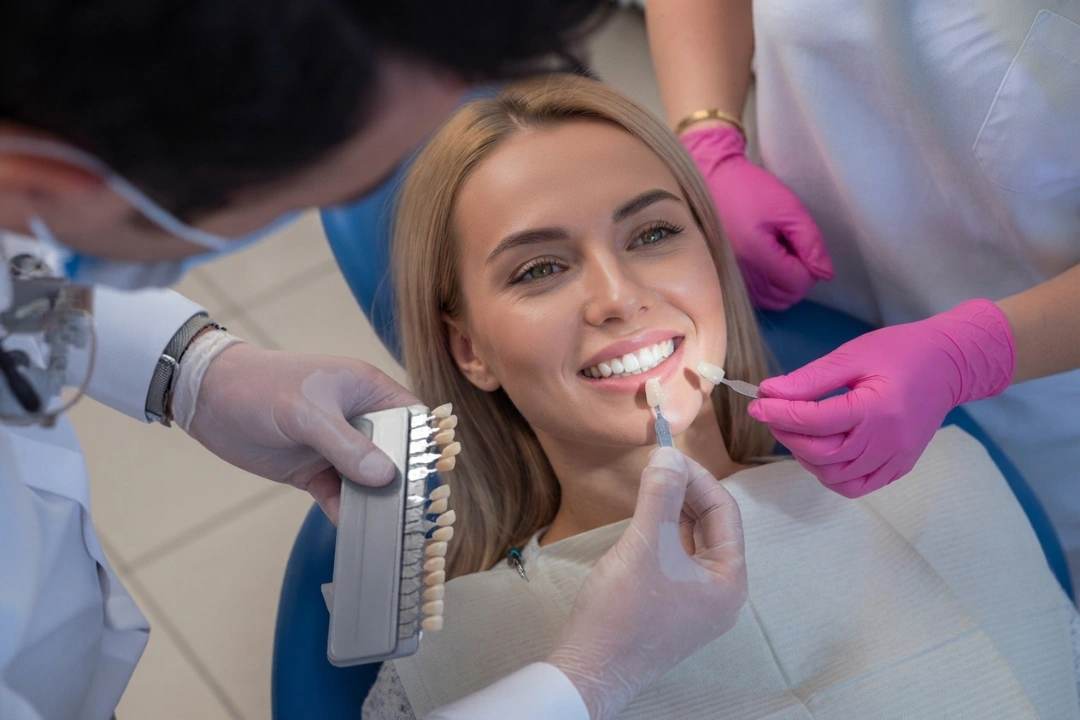
Porcelain Veneers
Porcelain is more stain-resistant and generally more durable long-term. For patients wanting a natural improvement without commitment to laboratory work, bonding is often the right first step.
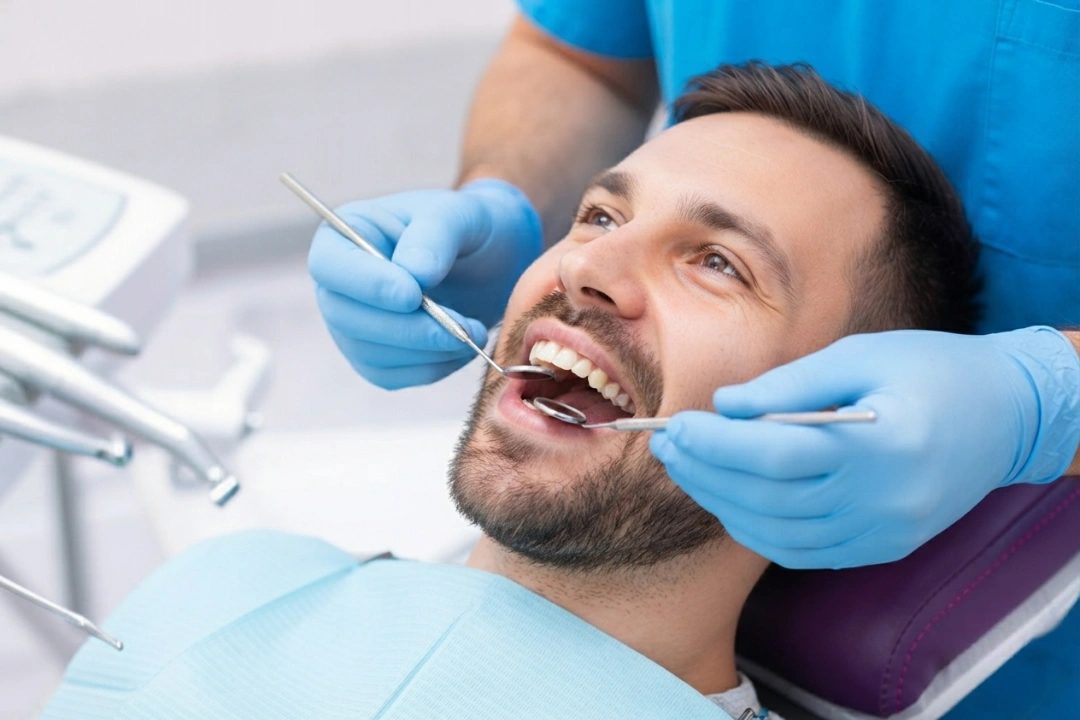
The Bonding Appointment
- Most composite bonding appointments take 30–60 minutes per tooth.
- Anaesthetic is often not needed for cosmetic cases.
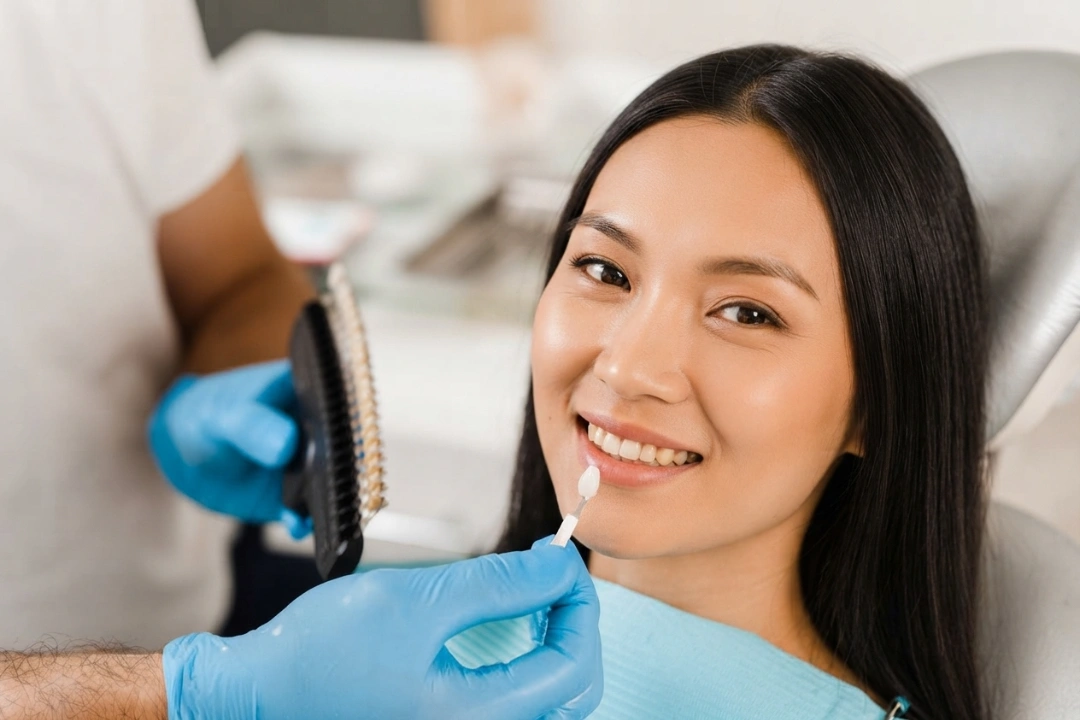
- Your dentist selects a resin shade matched to your surrounding teeth, applies it in layers.
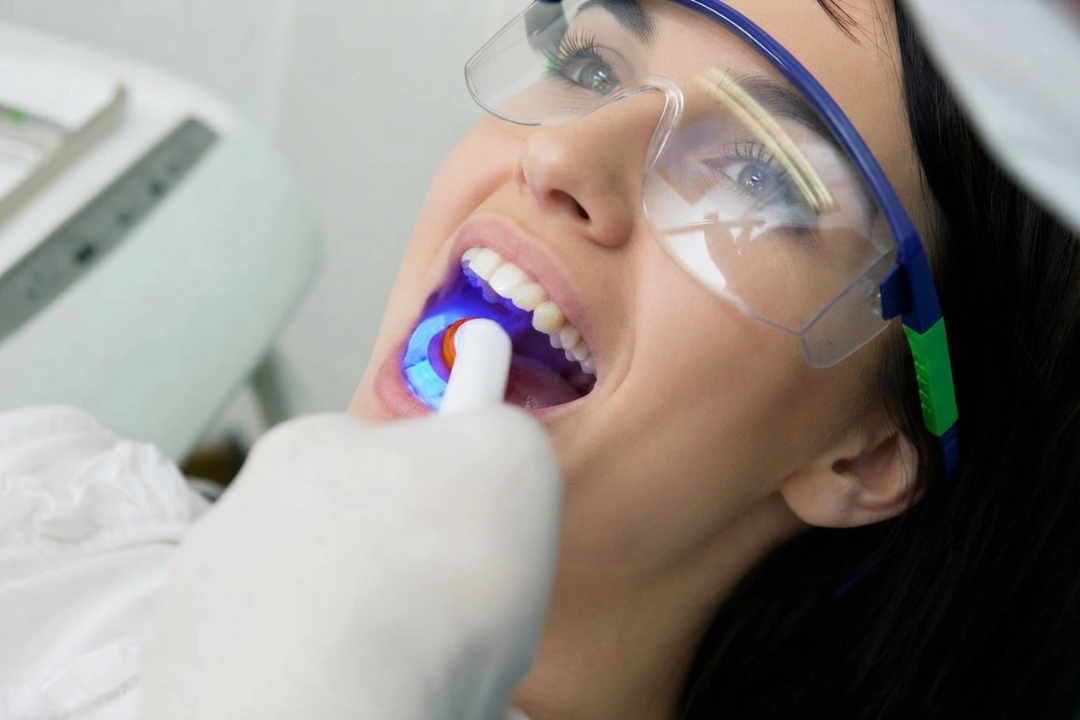
- Sculpts the shape, and cures each layer with a light.
- The final result is polished to blend seamlessly. You leave the same day with the change already visible.
frequently asked questions
How long does composite bonding last?
Does composite bonding damage the tooth?
Minimal to no enamel removal is required for most cosmetic bonding cases. This is one of the key advantages over porcelain veneers: the tooth structure underneath remains largely intact. Your dentist will confirm the preparation required at the consultation.
Can composite bonding be whitened?
Is composite bonding suitable for back teeth?
How do I care for composite bonding?
Is it available at all three clinics?
Yes. Composite bonding is available at our Kempsey, Port Macquarie and Taree clinics. The Port Macquarie clinic (Mark Brisley Dental) has the broadest cosmetic range. Mention composite bonding when booking, and the team will confirm which clinician to see.