

Dislodged or Knocked-Out Tooth Emergency Care in Kempsey, Port Macquarie & Taree
Time is critical. Call us immediately, every minute counts for a knocked-out tooth.

What Is a Dislodged Tooth?
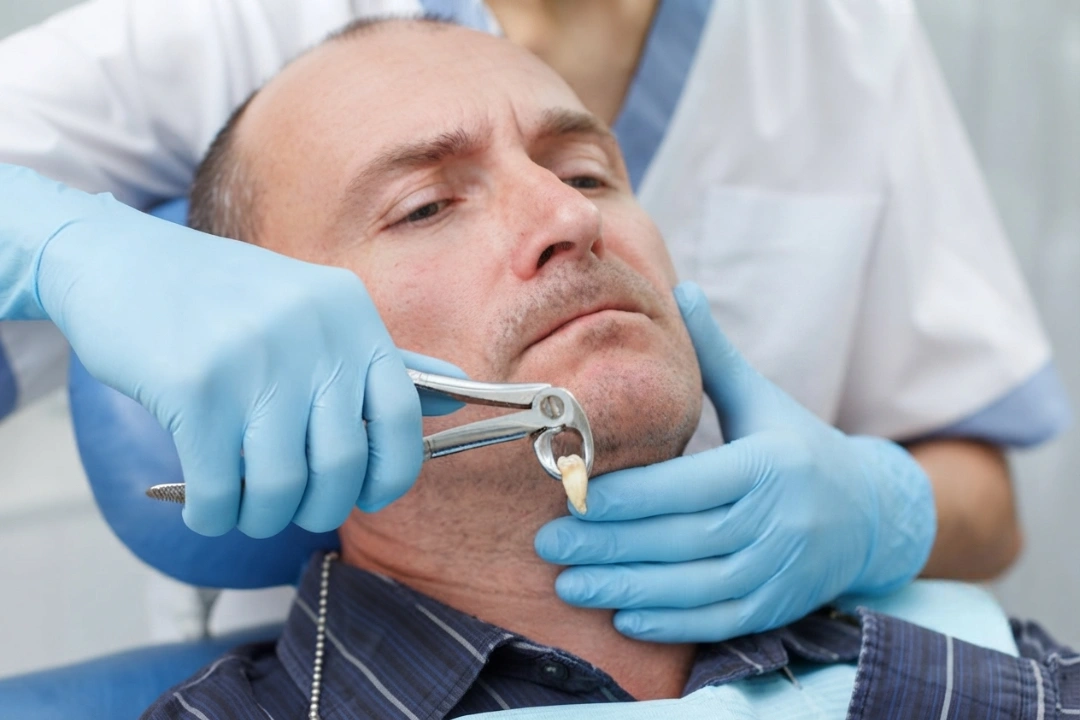
A dislodged tooth can be fully knocked out of the socket (avulsed), partially displaced (luxated), or pushed upward into the gum (intruded). Each type requires immediate dental assessment. A knocked-out permanent tooth that is re-implanted within 30–60 minutes has the best chance of surviving.
What to Do Right Now Knocked-Out Tooth?
- Hold the tooth by the crown (the white part) never touch the root.
- If dirty, rinse it briefly under cold running water 10 seconds only. Do not scrub.
- Try to place the tooth back into the socket immediately and hold it there.
- If you can’t re-implant it, store the tooth in milk, saline solution, or between your cheek and gum never in water, never in a dry tissue.
- Call us immediately. These actions can mean the difference between saving and losing the tooth.

Loosened or Displaced Tooth
A tooth that has been knocked sideways, pushed back, or pulled forward but is still in the socket is a luxation injury. Gently bite down to reposition it if it has moved significantly, then call us immediately. Do not try to force it back into position.
An X-ray is needed to assess root and bone damage. Soft foods and rest are advised until assessment.
frequently asked questions
Can a knocked-out tooth be saved?
Yes, if re-implanted quickly. The survival of the tooth depends on how long it was out, how it was stored, and the condition of the root. The 30-minute window is critical for adult teeth. Baby teeth are generally not reimplanted (it can damage the developing adult tooth). Call us to confirm.
What if my child knocks out a baby tooth?
Do not reimplant a baby tooth, forcing it back can damage the developing adult tooth beneath it. Clean the area gently, manage any bleeding with clean gauze, and call us for assessment. We’ll examine the socket and check for any fragments or damage to surrounding structures.
What happens at the emergency appointment for a dislodged tooth?
Your dentist will examine the tooth, take X-rays, and assess root and bone integrity. If re-implanting, the tooth is stabilised with a splint against neighbouring teeth for several weeks. A root canal may be needed afterwards. We’ll discuss the likely sequence of treatment at the appointment.
What if the tooth cannot be saved?
Your dentist will talk you through replacement options: implant, bridge, or partial denture once the socket has healed. The priority at the emergency appointment is immediate management.
Is there anything I should not do with a knocked-out tooth?
Don’t store it in water cells on the root surface die quickly in tap water. Don’t scrub or sterilise it. Don’t wrap it in a dry cloth or tissue. Milk or saline are the best storage media if re-implantation immediately isn’t possible.